Importance of Precision Farming
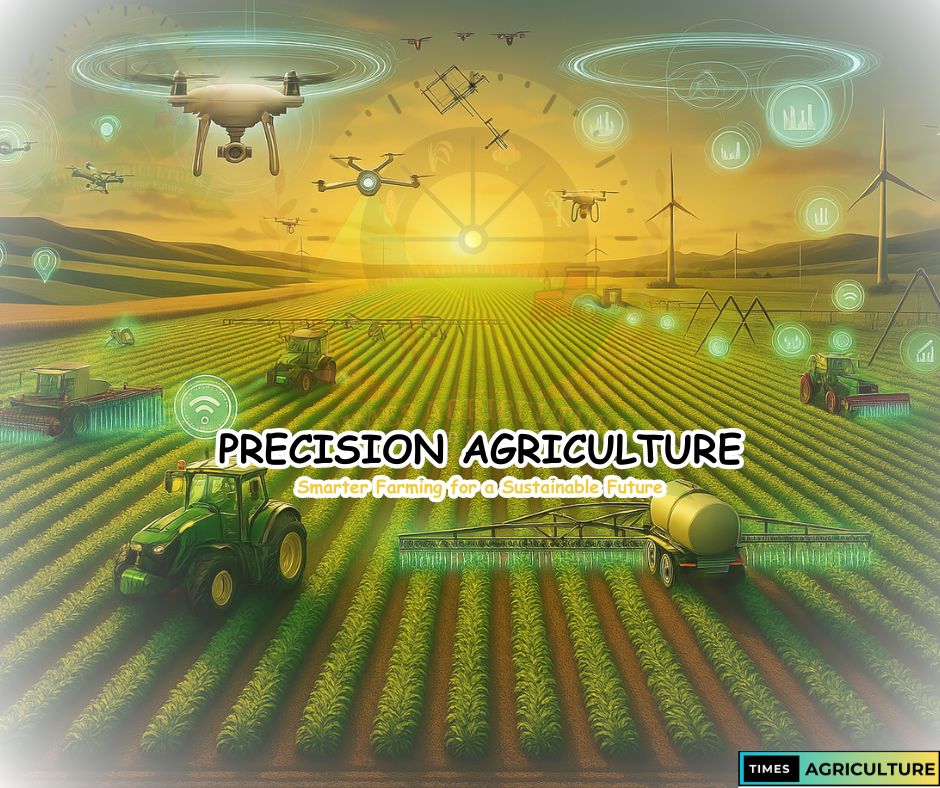
A New Era Begins in Modern Agriculture

The agricultural sector is undergoing a major transformation in recent years, both in Turkey and around the world. Rising labor costs, difficulties in finding qualified workforce, the effects of climate change, and increasingly challenging production conditions are directing farmers towards more efficient and sustainable solutions. This is precisely where smart weed removal machines and precision farming technologies come into play.
Traditional weed control methods are both time-consuming and require high labor. Moreover, chemical pesticides used over large areas can negatively impact soil and the environment. In contrast, modern agricultural technologies ensure the future of farmers by enabling higher yields at lower costs.
In this blog post, we will examine in detail why smart machines are gaining importance in agriculture and why precision farming is the production model of the future.
What is Precision Farming? The Production Model of the Future
Precision farming is a data-driven agricultural management model that analyzes each point in the field separately and applies necessary interventions only in required areas. The goal of this approach is to achieve the highest yield at the lowest cost without wasting resources such as water, fertilizer, pesticides, and fuel.
The Fundamental Logic of Precision Farming
- Intervention at the right time
- Application in the right area
- Use of the right amount
Thanks to these principles, both input costs decrease and product quality increases.
Technologies Enabling Precision Farming
Today, precision farming is implemented through the combination of multiple technologies:
- GPS-based positioning systems
- Field sensors and IoT devices
- Aerial imaging with drones
- AI-powered plant and weed recognition software
- Field monitoring with satellite data
Thanks to these technologies, plant development status, soil moisture, nutrient levels, disease risk, and weed density can be monitored in real-time.